Table of contents
Cashless payments are no longer a futuristic promise in gambling, they are fast becoming the default expectation, driven by contactless habits, mobile-first users and regulators pushing for stronger player protections. From Las Vegas pilots to European operators experimenting with digital wallets and instant bank transfers, the race is on to remove friction at the cashier. But can casinos really ditch cards and cash without losing customers, and what does “cashless” actually change for safety, privacy and spending control?
Casinos are testing cashless, not crowning it
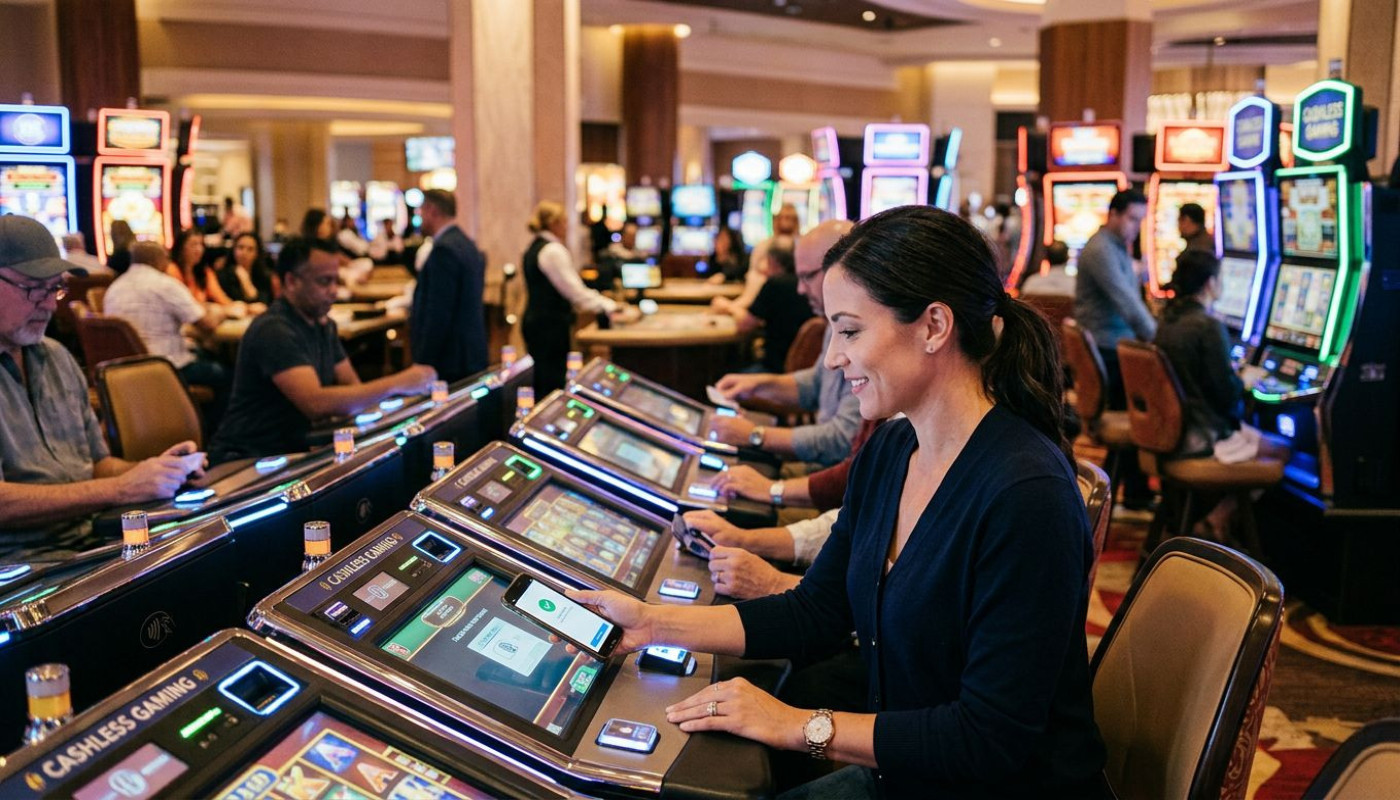
Swipe, chip, tap, then wait. For many players, the traditional cashier experience now feels like a relic of an older retail era, and casino groups know it, which is why cashless trials have multiplied in the past few years, particularly in jurisdictions where digital payments are already mainstream. In the United States, several states have allowed or expanded the use of mobile wallets and cashless wagering systems on casino floors, often framed as a modernization step but also as a way to make transactions more traceable, and therefore easier to audit. Major resort operators have piloted phone-based funding for slots and table games, and while adoption has grown, it has not been uniform, with older demographics, tourists and cash-preferring players still representing a significant share of on-site spend.
That distinction matters: many venues are “testing cashless” rather than “going cashless”. The operational upside is obvious, with lower cash-handling costs, fewer armored transport movements and potentially reduced theft risk, yet casinos also depend on impulse, and friction can be part of the psychology. Removing it can increase play speed, which raises both revenue potential and responsible gambling concerns. Regulators have noticed. Several policy discussions in North America and Europe have focused on whether cashless tools should come with mandatory safeguards, such as deposit caps, cooling-off settings, clearer transaction logs and tighter identity checks, because when topping up becomes as easy as ordering a coffee, harm can scale quickly for vulnerable players.
There is also a tourism reality: a casino floor is not an app-only environment, it is an ecosystem that includes bars, restaurants, tips, valet services and, in many places, cash-based traditions that remain culturally embedded. That is why the “cashless” story tends to look less like a sudden revolution and more like a layered transition, where digital options expand without fully replacing what came before. Even in markets with high contactless penetration, operators have tended to keep multiple rails open, because payments are not just a technical choice, they are a customer-experience promise, and breaking that promise carries a cost.
Players want speed, regulators want visibility
Convenience is the headline, but control is the subtext. Players increasingly expect instant deposits, instant withdrawals and clear confirmation screens, and they compare gambling to the best of fintech, not to the slowest corner of retail banking. When instant bank transfer systems and e-wallets can move money in seconds, card declines, manual reviews and multi-day withdrawals feel out of step, and that frustration is often voiced publicly through reviews and social media. Speed, however, has a double edge: faster funding can mean faster losses, and regulators have been pushing for mechanisms that make spending easier to track and harder to spiral.
Across many regulated markets, stricter rules have emerged around identity verification, source-of-funds checks and affordability assessments, and payments sit at the center of that compliance architecture. Traceable methods can help operators demonstrate that checks are happening, but they also create detailed financial footprints that some users dislike, especially those who value discretion. That tension explains why alternative methods, including prepaid solutions, vouchers and even certain crypto pathways in some jurisdictions, remain attractive: they can feel more private, yet they also raise questions about consumer protection and anti-money-laundering controls. Payment modernization, in other words, is never just about UX, it is about who gets to see what, and how quickly intervention can occur when risk patterns appear.
This is also where product design becomes journalism-worthy, because the cashier is no longer a back-office feature, it is where trust is won or lost. Transparent fees, clear minimums, predictable withdrawal timelines and well-explained verification steps are now competitive differentiators. Readers trying to understand how a modern platform presents its payment journey, including what methods are supported and how the overall experience feels in practice, often look for independent overviews such as Freshbet Casino, not because one brand defines the market, but because detailed reviews can show what “cashless” looks like day-to-day, where friction remains and which safeguards are visible to the user.
Cashless changes the floor, not only the cashier
What happens when money becomes invisible? Casinos have always been experts at reducing the perceived pain of paying, from chips at tables to ticket-in ticket-out systems on slots, and cashless tools can take that one step further by pushing transactions into a phone, a watch or an account balance that updates silently. That can make budgeting harder for some players, particularly in environments designed to be immersive, where time cues are softened and spending can feel abstract. Behavioral researchers have long noted that people tend to spend more when payment feels less tangible, and although gambling is a distinct category, the psychological mechanism is familiar: fewer moments of pause can mean fewer moments of reflection.
For operators, the upside is not purely financial, it is also logistical. Reduced cash circulation can cut queues, speed up table buy-ins and simplify reconciliation at the end of a shift, and those gains matter in large venues processing thousands of transactions per night. Yet implementation is complex. Cashless on the gaming floor often requires new hardware, staff training and integration with player accounts, and it can introduce new failure points, such as app outages, connectivity issues or disputes over digital transaction logs. In practice, many venues adopt a hybrid model, where cashless sits alongside ATMs, kiosks and traditional cages, offering choice while the technology matures.
The floor itself may shift. If casinos can link payment tools to loyalty programs more seamlessly, promotions can become more personalized and more immediate, and that raises fresh questions about marketing intensity and player protection. A free spin triggered at the moment a wallet balance dips is not just a tech feature, it is an intervention into behavior. Regulators in several markets have already tightened rules on inducements and targeted offers, and cashless ecosystems can make enforcement both easier, through data trails, and harder, through the sheer granularity of targeting. The “end of cash” debate, then, is also a debate about how much personalization gambling should be allowed to deploy.
Traditional payments are retreating, but not disappearing
Are cards and cash on the way out? The more accurate answer is that they are being outcompeted in specific contexts. Online, instant bank transfers and e-wallets have gained ground because they are fast, familiar and often better aligned with modern authentication, and in some markets they can reduce chargeback exposure compared with cards. On-site, contactless card usage has surged in everyday life, and that cultural shift naturally spills into entertainment spending. Yet cards remain deeply embedded in consumer finance, and cash remains a universal fallback, especially for visitors, for people managing strict budgets and for those who simply prefer the clarity of physical limits.
There is also an inclusion issue that often gets overlooked in tech-forward narratives. Not everyone has access to the same digital tools, not everyone trusts app-based payments, and not everyone can pass instant verification smoothly, particularly tourists with foreign documents or players whose banking setup is complicated. A hard pivot to cashless could inadvertently exclude certain customers, which is a commercial risk and, in some jurisdictions, a political one. That is why many operators treat cashless as an expansion of options rather than a replacement strategy, and why the next phase is likely to be about interoperability, allowing different wallets, banks and identity systems to connect without forcing users into a single route.
The direction of travel is clear, though: payments are becoming faster, more data-rich and more regulated, and the winners will be the systems that combine speed with clarity. Players will keep asking for instant withdrawals and fewer surprise checks, regulators will keep demanding proof of control and affordability, and operators will keep searching for the equilibrium that preserves fun without amplifying harm. Traditional payments are not about to vanish everywhere, but their dominance is fading, one friction point at a time.
Before you play, set your payment rules
Plan your budget in advance, and pick a method that matches it, whether that means a capped wallet, a debit option or a prepaid route. Check withdrawal timelines before depositing, and keep documents ready for verification to avoid delays. In regulated markets, look for tools that let you set limits, and book time away from play if spending accelerates.
Similar articles

Exploring The Intersection Of Behavioral Psychology And Casino Data Analytics

Exploring The Benefits Of VIP Programs In Online Gaming

Exploring The Impact Of Augmented Reality On Casino Aesthetics

How Classic Slots Blend With Modern Features For Enhanced Play

Comparative Analysis Of Bonus Structures In Emerging Online Casinos

Exploring The Impact Of No Deposit Bonuses On Player Retention?

Exploring The Appeal Of Casinos Beyond Regulatory Frameworks

Exploring The Rise Of Online Casino And Sports Betting Platforms

How Provably Fair Technology Enhances Online Casino Games

Discover The Benefits Of Playing The Demo Version Of New Casino Games

The Evolution Of Plinko Games: From Classic To Modern Variations

Exploring The Thrill Of Virtual Chicken Crossing Games In Online Casinos

Exploring The Thrill Of Guiding A Chicken Across The Road In Online Casino Games

The Role Of Thematic Designs In The Popularity Of Digital Slot Games

Exploring The Benefits And Drawbacks Of Online Casino Apps

How To Use Bonus Codes Effectively When Registering For Online Betting

Top Games To Play In An Online Casino For Big Winnings

Techniques For Minimizing Losses In Online Betting

Maximizing Sign-up Incentives On Online Betting Sites

Effective Strategies And Tips For Winning At Online Plinko Games

Understanding Risk Levels In Gambling Games With Progressive Jackpots

Exploring The Rise Of Low Deposit Casinos In Online Gaming

Exploring The World Of Online Gaming And Betting: A Guide To Securing Bonuses And Navigating Large-scale Competitions

Understanding Casino Odds: How To Improve Your Chances Of Winning Big

The Evolution Of Live Dealer Games: From Blackjack To Monopoly
