Table of contents
Keeping firefighting equipment in peak working order is vital for safety and effectiveness during emergencies. Proper upkeep not only extends the lifespan of each tool but also ensures reliable operation when every second counts. Uncover the best practices that make a real difference in readiness and safety by exploring the following expert-backed maintenance tips.
Routine inspection protocols
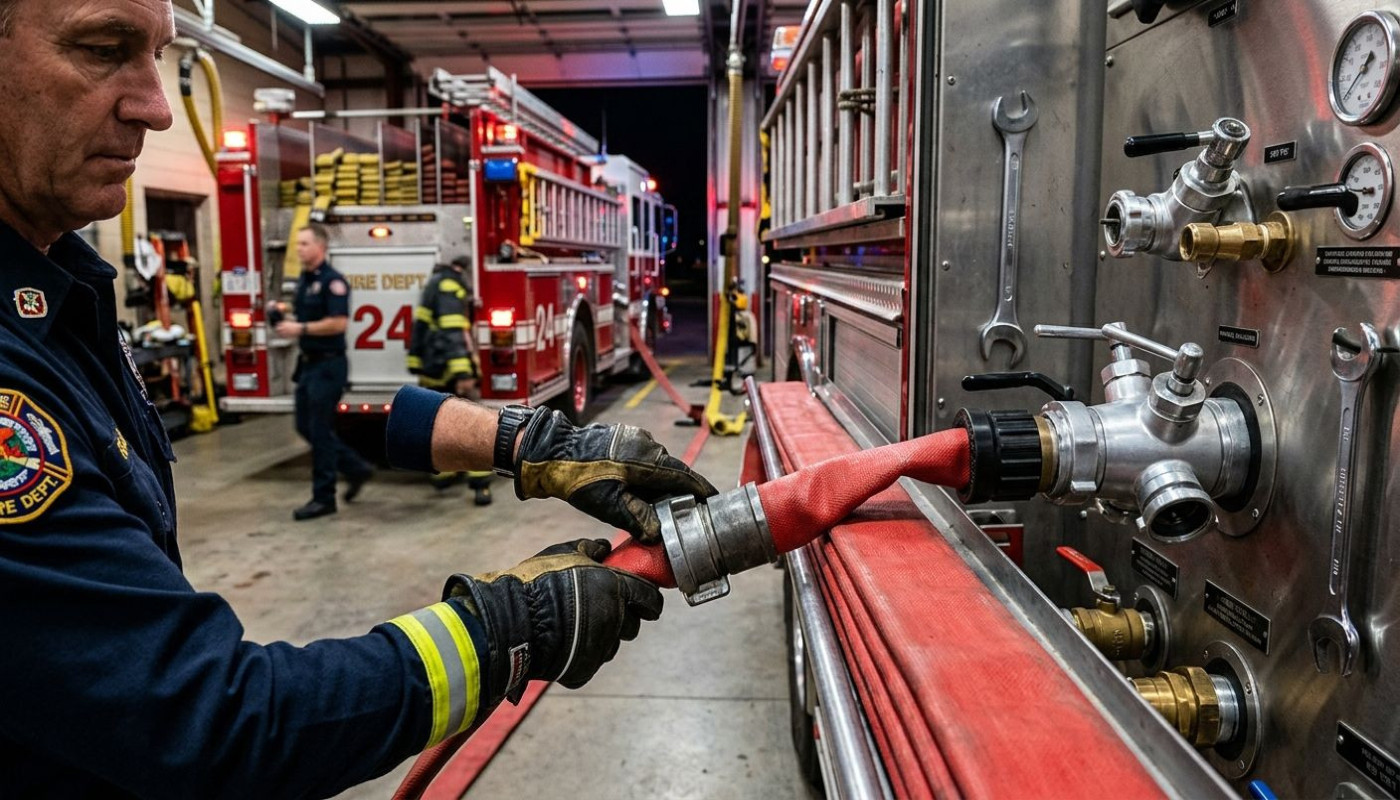
Routine inspection of firefighting equipment is a fundamental safeguard against equipment failure and non-compliance with safety standards. A certified fire protection engineer should oversee scheduled assessments, ensuring each item undergoes a thorough visual inspection procedure. This process involves examining all apparatus for visible damage such as cracks, corrosion, or any sign of wear that could compromise functionality. Every piece must also display clear and correct labeling, helping both responders and inspectors quickly verify the type and suitability of equipment during emergencies. Adhering to a detailed maintenance checklist guarantees that all critical components—including hoses, nozzles, extinguishers, and protective gear—are present and in optimal condition. Routine inspection not only addresses immediate hazards but also reinforces ongoing safety compliance, reducing the risk of costly malfunctions when rapid response is needed most.
Cleaning and decontamination methods
Assigning the responsibility of overseeing decontamination and cleaning processes to the chief fire safety officer ensures adherence to the highest standards. For firefighting tools such as hoses and nozzles, the cleaning process involves flushing with clean water, using mild detergents, and thoroughly drying them after every deployment or at least monthly if unused. Any visible debris or residue must be removed promptly, as buildup can lead to blockages, mechanical failures, and a heightened contamination risk. For personal protective equipment (PPE) decontamination, protective gear including helmets, gloves, boots, and turnout gear should be cleaned after every incident, especially when exposed to hazardous materials or smoke particles. These items should be washed with specialized cleaning agents designed for fire service fabrics, followed by complete air drying, to avoid degradation of fire-resistant coatings.
Neglecting regular decontamination can result in harmful chemicals and biological contaminants accumulating on firefighting equipment, increasing health risks for personnel and reducing the reliability of gear during emergencies. Ensuring consistent cleaning protocols minimizes downtime and extends the lifespan of firefighting tools. Protective gear, if not properly maintained, can become a source of cross-contamination within the station, posing ongoing dangers. By instituting scheduled checks and cleaning routines under the direction of the chief fire safety officer, fire departments effectively manage contamination risk and uphold optimal safety conditions for their teams.
Proper storage and handling
Effective storage solutions and careful equipment handling play a pivotal role in preserving the integrity and functionality of firefighting gear. Firefighting equipment should be stored in designated locations that minimize environmental exposure, such as humidity, dust, or extreme temperatures, a practice known as environmental exposure mitigation. Environmental controls like temperature regulation and humidity monitoring help prevent issues like corrosion, mold, and premature material degradation. The fire station chief should oversee the implementation of structured storage procedures, ensuring that every item has a specific placement and is secured to avoid accidental damage or misplacement. Proper equipment handling guidelines must be enforced, requiring personnel to check and clean gear before storage, use storage racks or lockers designed for heavy or delicate items, and keep all exits and access points clear for rapid deployment. Comprehensive maintenance routines, combined with robust storage and handling protocols, significantly extend the service life and reliability of all firefighting equipment.
Testing and performance verification
Regular performance testing and equipment verification are vital to ensure firefighting gear operates efficiently when needed. The lead fire equipment technician is responsible for conducting operational readiness testing on all critical fire equipment, including hose pressure tests to confirm that hoses can withstand required water pressures without leaks or failures. In addition, flow rates are measured to verify that pumps and nozzles deliver sufficient water volume to extinguish fires effectively. Adhering to recognized safety standards guarantees that all testing procedures are consistent and reliable, reducing the risk of malfunction during an emergency.
Documenting each test result is vital for ongoing accountability and compliance. The lead technician must ensure that any deficiencies discovered during operational readiness testing are promptly addressed, with faulty parts replaced or repaired as needed. This thorough approach to performance testing and equipment verification not only extends the service life of fire equipment but also helps facilities remain compliant with legal and insurance requirements regarding fire safety standards. For detailed guidelines or to arrange professional assessments, refer to Casinos Not on GAMSTOP for further resources related to fire equipment maintenance and technical support.
Recordkeeping and documentation
Proper maintenance records and inspection log entries are fundamental for ensuring firefighting safety and operational readiness. The process of maintenance logbook management enables the fire department administrative supervisor to track all repairs, upgrades, and checks performed on firefighting equipment. This ongoing documentation not only supports regulatory compliance but also provides clear proof of proactive care during future audits. By diligently recording every piece of repair documentation, the supervisor ensures that any recurring issues are quickly identified and addressed, reducing downtime and maintaining high safety standards for both equipment and personnel. Well-organized records streamline communication between teams, making it easier to monitor maintenance cycles and uphold all legal and operational requirements related to firefighting safety.
Similar articles

Exploring Effective Strategies For Online Crash Games

Maximizing Winnings: Small Bets Versus High-Risk Strategies

How To Identify Trustworthy Platforms For Online Gambling

Tips For Understanding Sports Betting Odds And Making Informed Decisions

How To Evaluate Online Betting Sites For The Best User Experience

Exploring The Evolution And Mechanics Of Online Multiplier Games

Responsible Gambling: Tips For Setting Limits In Online Betting

Exploring The Benefits Of Advanced Music Discovery Platforms

Exploring Traditional Japanese Crafts And Their Modern Applications

Key Steps To Register And Use Advanced Sports Betting Tools Effectively

Taxi Drivers Sharing Their Experiences With Online Betting

Exploring The Benefits And Drawbacks Of Using Sports Betting Mirror Sites

Essential Tips For Beginners On How To Get Started With Online Slot Games

How Participation In Sports Can Prepare You For Life Challenges

How Co-Ownership In Esports Teams Influences Their Strategies And Success
